Cappuccino – Classic Italian Coffee Recipe
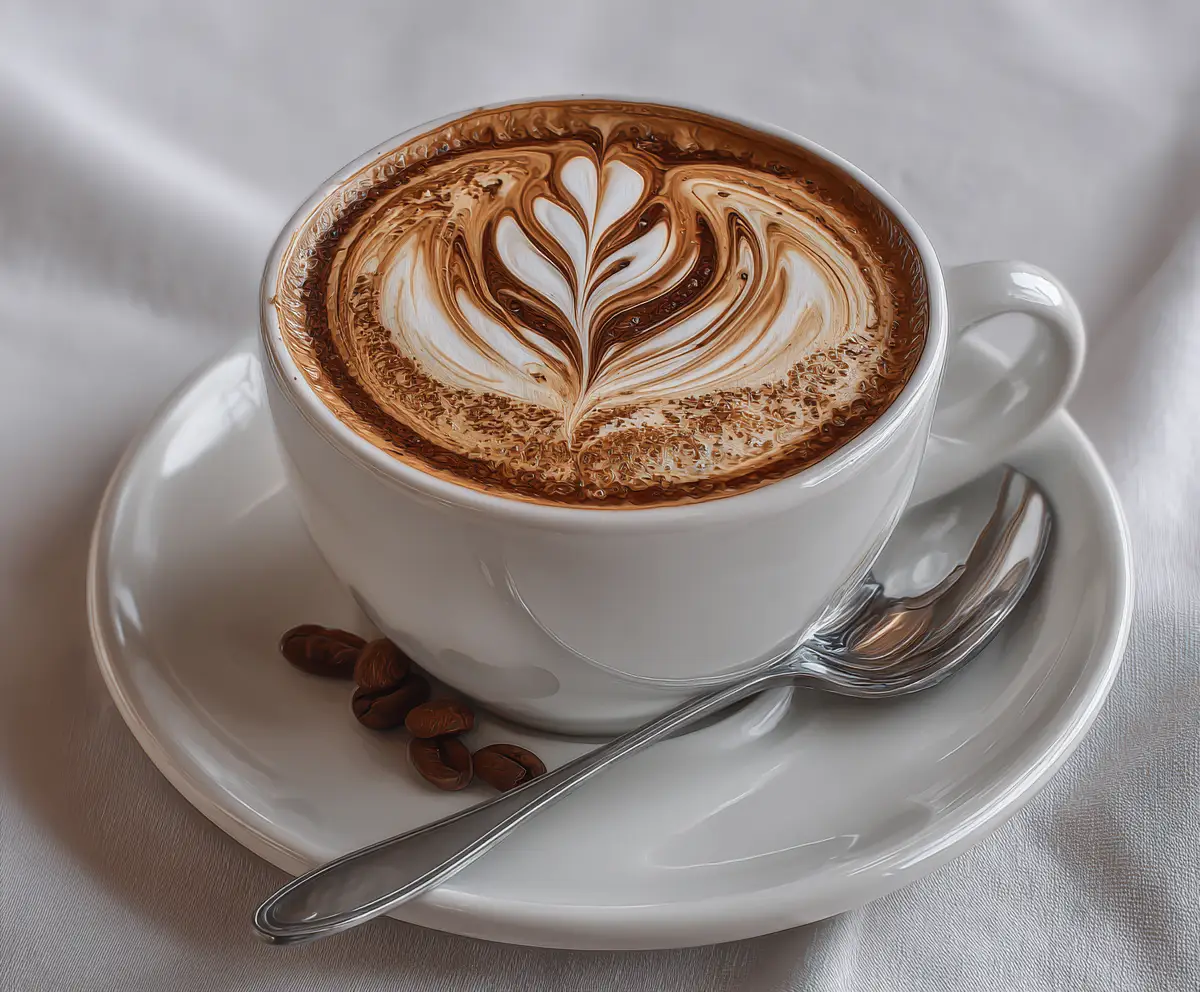
The cappuccino is one of the most iconic coffee drinks worldwide, originating from Italy. Known for its perfect balance of espresso, steamed milk, and frothy foam, a cappuccino offers a rich and velvety texture with a bold coffee flavor.
Whether you’re brewing at home or impressing guests, mastering the cappuccino is a satisfying ritual. This recipe guides you through creating a café-quality cappuccino with tips for foam perfection, flavor variations, and serving suggestions.
Ingredients (Serves 1)

- 1 shot (1 oz / 30 ml) freshly brewed espresso
- ¾ cup (180 ml) whole milk (or any milk of your choice)
- Cocoa powder or cinnamon for garnish (optional)
- Sugar or sweetener to taste (optional)
Step by Step Cooking Guide
- Brew the espresso – Use a high-quality espresso machine or stovetop Moka pot to extract a strong shot of espresso. Pour into a pre-warmed coffee cup.
- Steam the milk – Heat milk to 150–160°F (65–70°C). Use a milk frother or steam wand to create microfoam with a creamy texture.
- Pour the milk – Hold back the foam with a spoon initially, then gently pour milk over espresso, finishing with a layer of foam on top.
- Garnish – Lightly dust with cocoa powder or cinnamon if desired.
- Serve immediately – Enjoy while hot for the perfect cappuccino experience.
Cooking Time & Serving Size
- Prep Time: 5 minutes
- Cook Time: 5 minutes
- Total Time: 10 minutes
- Serving Size: 1 cup (approximately 8 oz / 240 ml)
Tips & Variations
- Froth perfection: Use cold milk straight from the fridge and froth in small batches for creamy microfoam.
- Flavor twists: Add vanilla, caramel, or hazelnut syrup for a café-style twist.
- Iced cappuccino: Pour espresso over ice and top with chilled frothed milk.
- Dairy alternatives: Use oat, almond, or soy milk for vegan options.
- Latte art: Practice pouring techniques to create hearts, rosettas, or tulips on your cappuccino.
Nutrition Info (Per Serving – Approximate)
| Nutrient | Amount |
|---|---|
| Calories | 80 kcal |
| Protein | 4 g |
| Carbohydrates | 6 g |
| Fat | 5 g |
| Fiber | 0 g |
| Sugar | 6 g |
(Based on whole milk and no added sugar. Values vary with milk type and sweeteners.)

Healthy Alternatives
- Low-fat: Use skim or 1% milk instead of whole milk.
- Sugar-free: Skip sugar or use a natural sweetener like stevia or monk fruit.
- Vegan: Replace dairy milk with almond, oat, or soy milk.
- Keto-friendly: Use heavy cream instead of milk for a low-carb option.
Serving Suggestions

Serve cappuccino in pre-warmed cups to maintain temperature and enjoy alongside a biscotti, croissant, or homemade pastry. Perfect for breakfast, mid-morning coffee breaks, or after-dinner indulgence.
With a smooth, creamy texture and rich espresso flavor, a well-made cappuccino is a comforting ritual and an elegant treat for any coffee lover.
FAQ’s
Q1: What is the ideal milk-to-espresso ratio for cappuccino?
Traditionally, a cappuccino is 1:1:1 – one-third espresso, one-third steamed milk, one-third foam.
Q2: Can I make cappuccino without an espresso machine?
Yes, you can use a Moka pot or strong brewed coffee with a milk frother.
Q3: How do I get the perfect foam?
Use cold milk, froth quickly, and tap the pitcher to remove large bubbles. Microfoam should be smooth and creamy.
Q4: Can cappuccino be made iced?
Yes! Brew espresso, pour over ice, and top with chilled frothed milk.
Q5: What is the difference between a cappuccino and a latte?
A cappuccino has equal parts espresso, steamed milk, and foam, while a latte has more steamed milk and less foam, making it creamier and milder.