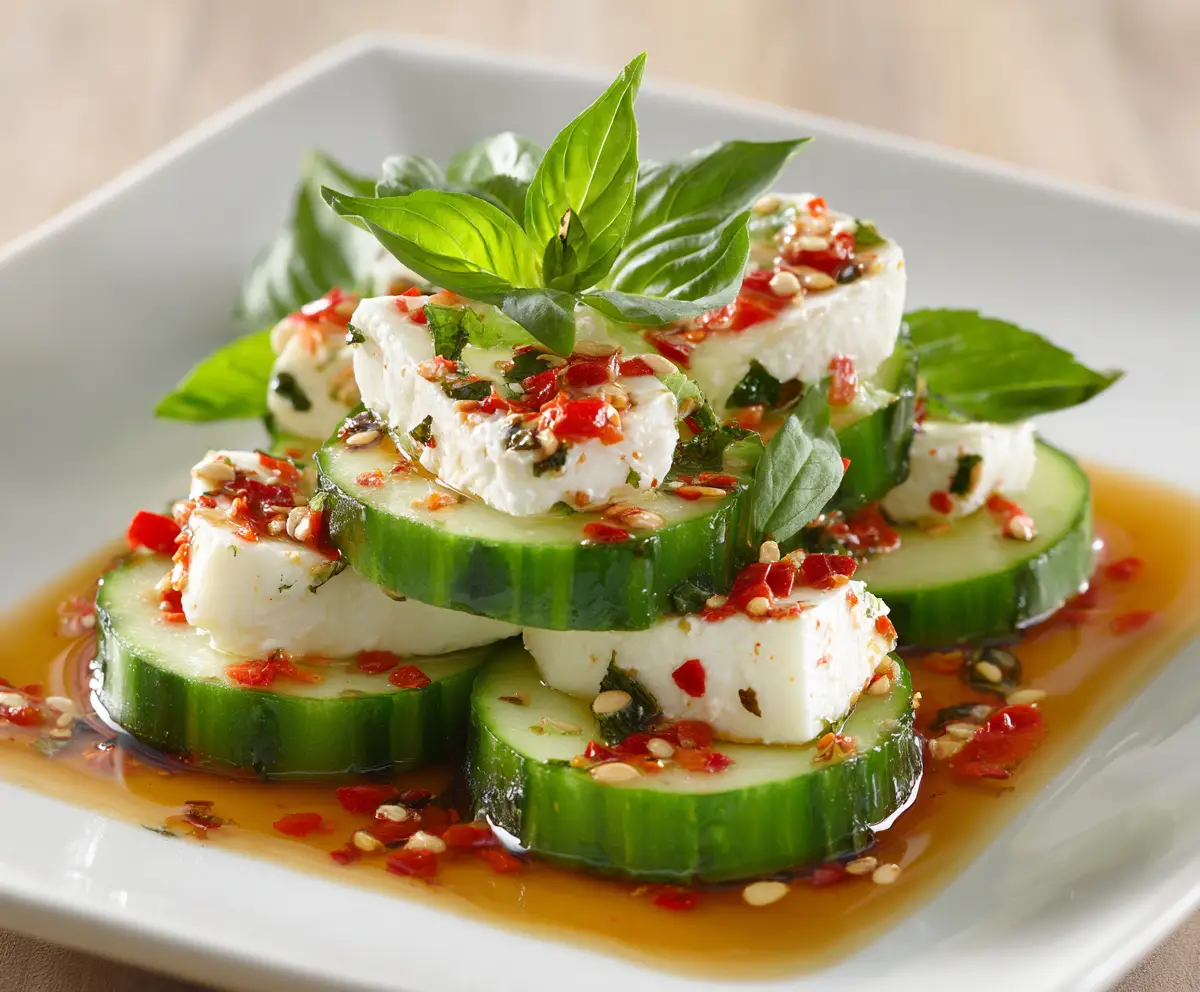
Basil – Fresh Herb Recipes, Tips, and Culinary Uses
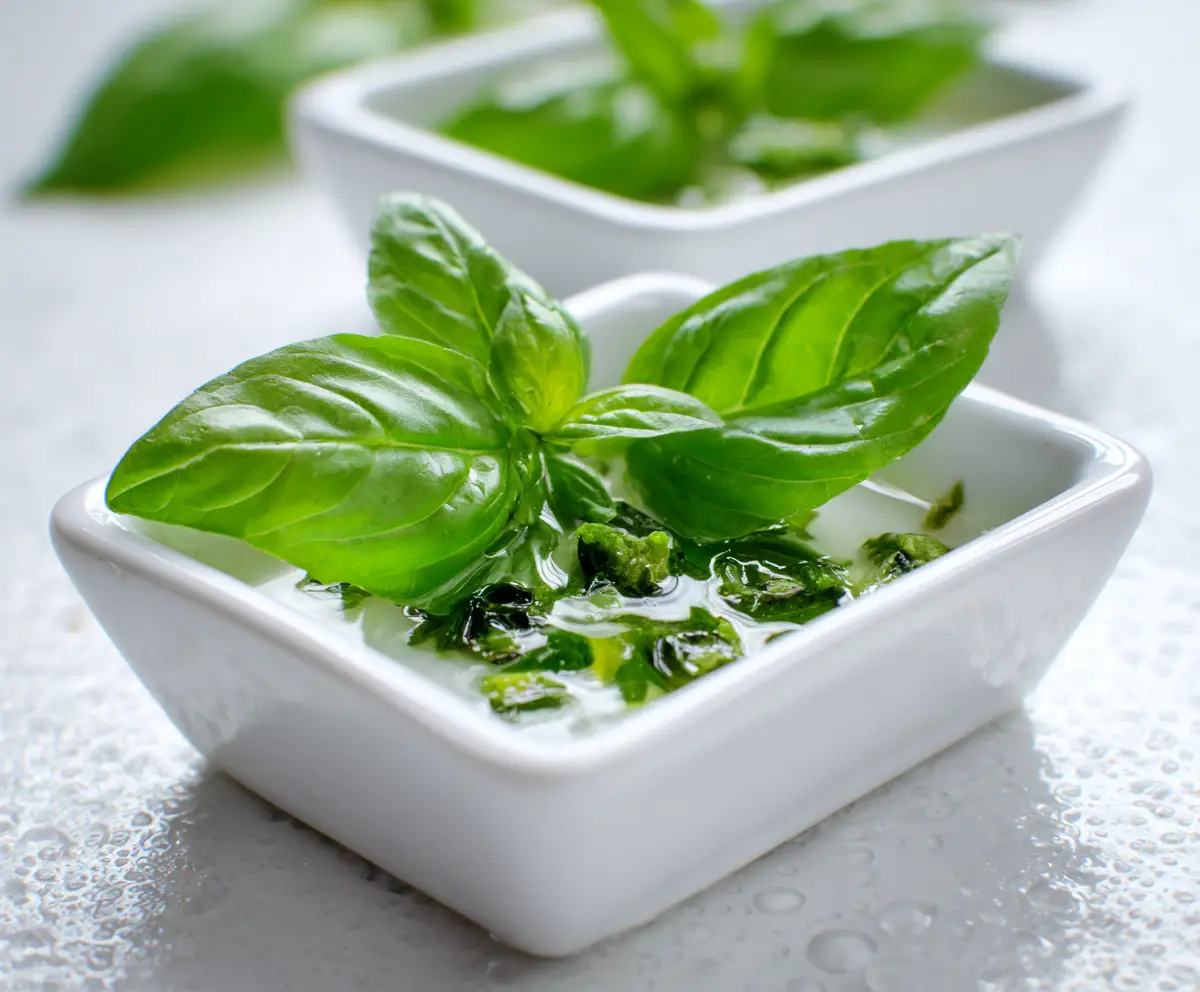
Basil is a fragrant herb widely celebrated in Mediterranean, Italian, and Southeast Asian cuisines. Known for its sweet, slightly peppery flavor, basil enhances sauces, salads, soups, and a variety of dishes. From classic pesto to simple tomato salads, this versatile herb brings freshness and aroma to everyday meals. Beyond its culinary appeal, basil is rich in antioxidants and adds subtle health benefits to your dishes.
This guide explores everything about basil: how to cook with it, step-by-step usage, nutrition, and creative ideas for incorporating it into your recipes.
Ingredients
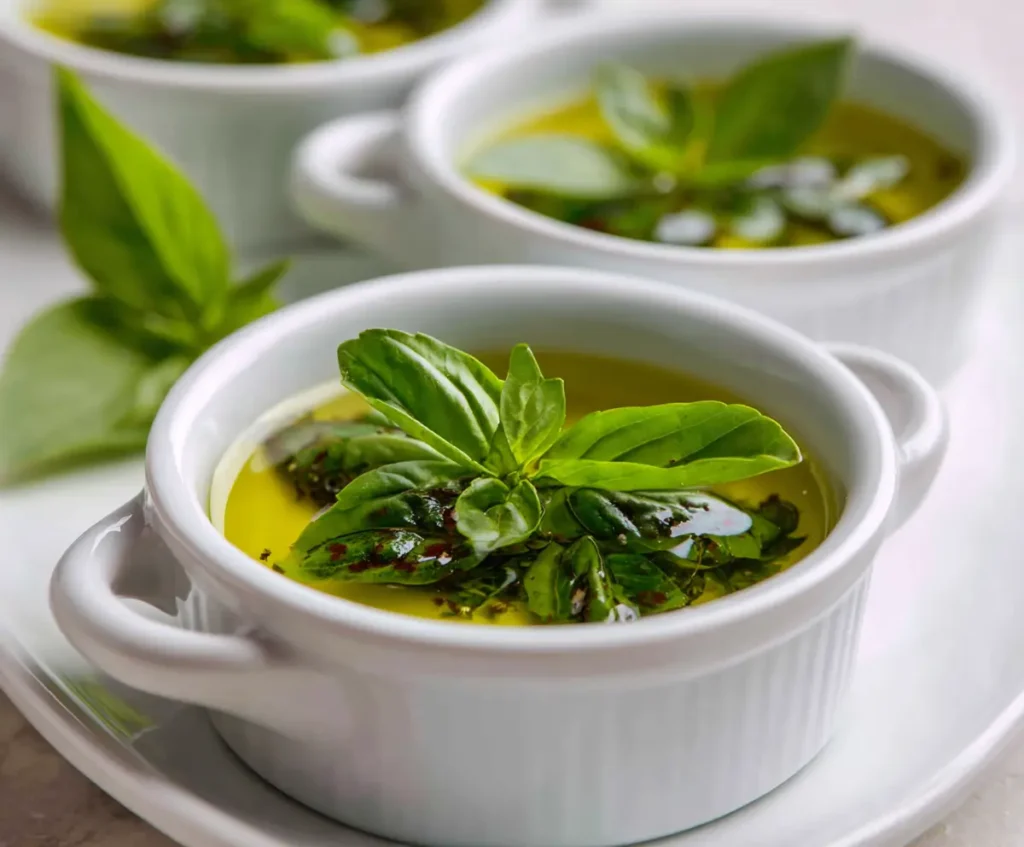
Basic Basil Recipe (Classic Basil Pesto – Serves 4)
- 2 cups fresh basil leaves, packed
- ¼ cup pine nuts (or walnuts)
- 2 cloves garlic
- ½ cup extra virgin olive oil
- ¼ cup freshly grated Parmesan cheese
- ½ teaspoon salt (adjust to taste)
- ¼ teaspoon black pepper
You can also use basil in salads, soups, or as a garnish with these simple additions:
- 2 medium tomatoes, chopped
- 1 tablespoon balsamic vinegar
- 1 tablespoon olive oil
- Fresh mozzarella cubes (optional)
Step by Step Cooking Guide
1. Making Classic Basil Pesto
- Wash and pat dry the basil leaves.
- In a food processor, combine basil, pine nuts, and garlic. Pulse until coarsely chopped.
- With the processor running, slowly add olive oil until smooth.
- Add Parmesan, salt, and pepper, then pulse briefly to combine.
- Serve immediately or store in an airtight container in the fridge for up to 5 days.
2. Basil Tomato Salad
- Chop fresh tomatoes and place in a bowl.
- Tear fresh basil leaves and sprinkle over tomatoes.
- Drizzle olive oil and balsamic vinegar.
- Toss gently and serve with mozzarella if desired.
Cooking Time & Serving Size
| Recipe Component | Prep Time | Cook Time | Total Time | Serving Size |
|---|---|---|---|---|
| Basil Pesto | 10 min | 0 min | 10 min | ¼ cup per person |
| Basil Tomato Salad | 5 min | 0 min | 5 min | 1 bowl per person |
Tips & Variations
- Flavor Boost: Toast nuts lightly before adding to pesto for a richer flavor.
- Storage Tip: Freeze pesto in ice cube trays for small, convenient portions.
- Variation Ideas:
- Use arugula or spinach with basil for a milder green.
- Add lemon zest for a citrus twist in pesto.
- Mix basil with strawberries in a salad for a sweet-savory combination.
- Cooking Advice: Add fresh basil at the end of cooking to preserve its aroma.
Nutrition Info (Per ¼ Cup Basil Pesto – Approximate)
| Nutrient | Amount |
|---|---|
| Calories | 190 kcal |
| Protein | 4 g |
| Carbohydrates | 4 g |
| Fat | 18 g |
| Fiber | 1 g |
| Sugar | 0.5 g |
Healthy Alternatives
- Low-Oil Option: Reduce olive oil and add a splash of vegetable broth for pesto.
- Dairy-Free: Omit Parmesan cheese or use nutritional yeast for a vegan-friendly version.
- Gluten-Free: Basil is naturally gluten-free; ensure nuts and add-ins are certified gluten-free.
- Keto-Friendly: Perfect for keto, as basil is low in carbs and high in flavor.
Serving Suggestions
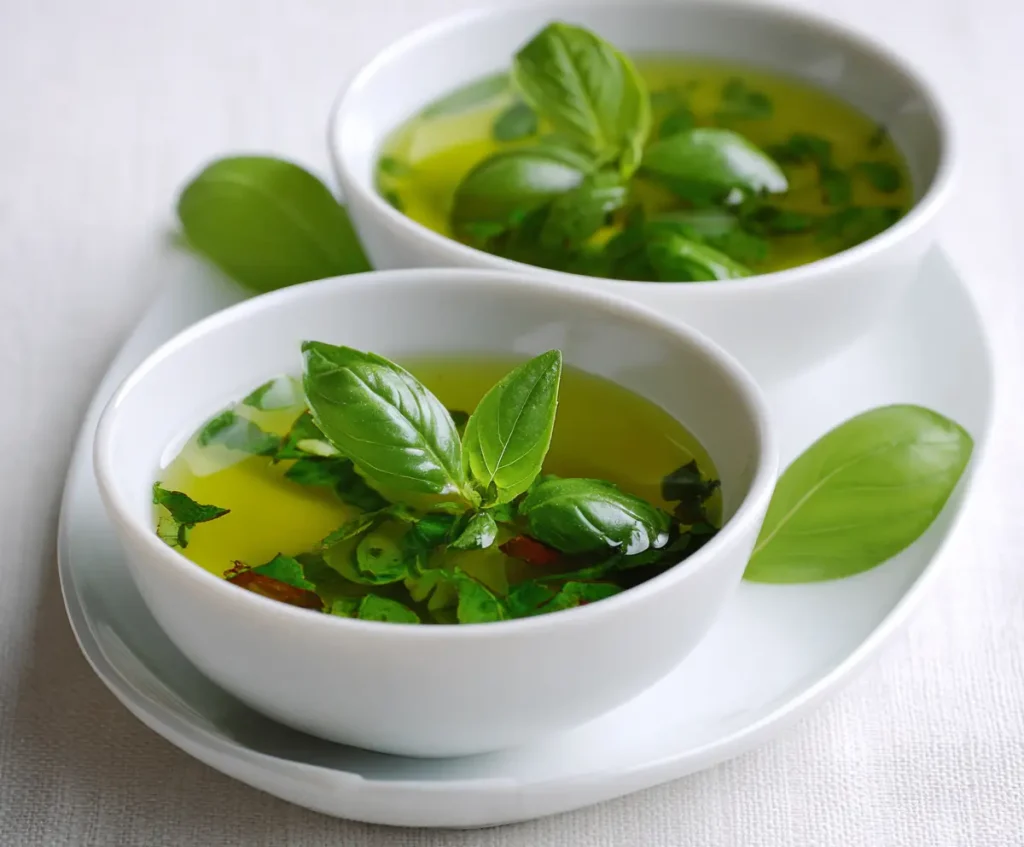
Basil can be used in endless ways:
- Toss pesto with pasta or roasted vegetables.
- Add fresh leaves to pizzas, soups, and sandwiches.
- Garnish caprese salads or roasted meats for extra aroma.
Basil is not only versatile but also a simple way to elevate the flavor and freshness of your meals. A little basil goes a long way to transform ordinary dishes into memorable culinary experiences.
Frequently Asked Questions
1. Can I grow basil at home?
Yes. Basil grows well in pots on a sunny windowsill or in garden beds with full sunlight.
2. How should I store fresh basil?
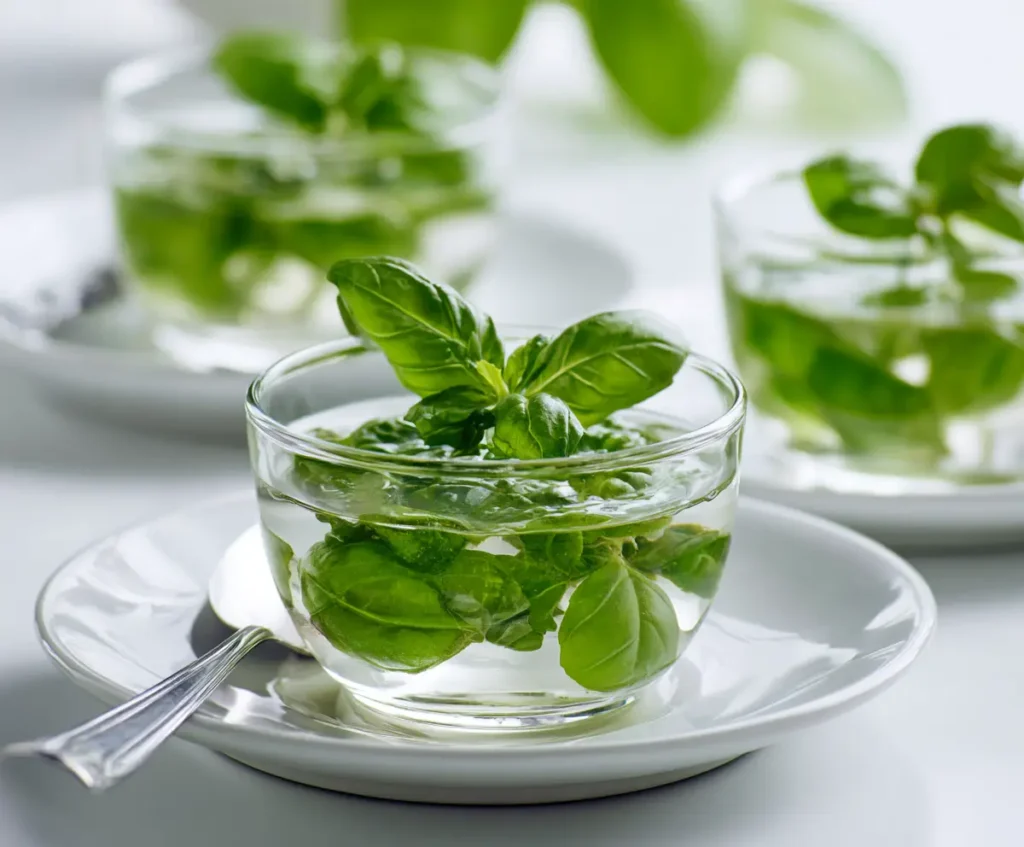
Keep basil in a glass of water at room temperature or loosely wrap in a damp paper towel in the fridge.
3. Can I use dried basil instead of fresh?
Dried basil can be used, but fresh basil offers a stronger, more aromatic flavor. Use about 1 teaspoon dried for every 1 tablespoon fresh.
4. Is basil good for health?
Yes. Basil contains antioxidants, vitamins A, K, and C, and has anti-inflammatory properties.
5. How long does homemade pesto last?
Refrigerated pesto lasts about 5 days. For longer storage, freeze in small portions up to 3 months.