Chapati Recipe – Soft, Fluffy & Traditional Flatbread

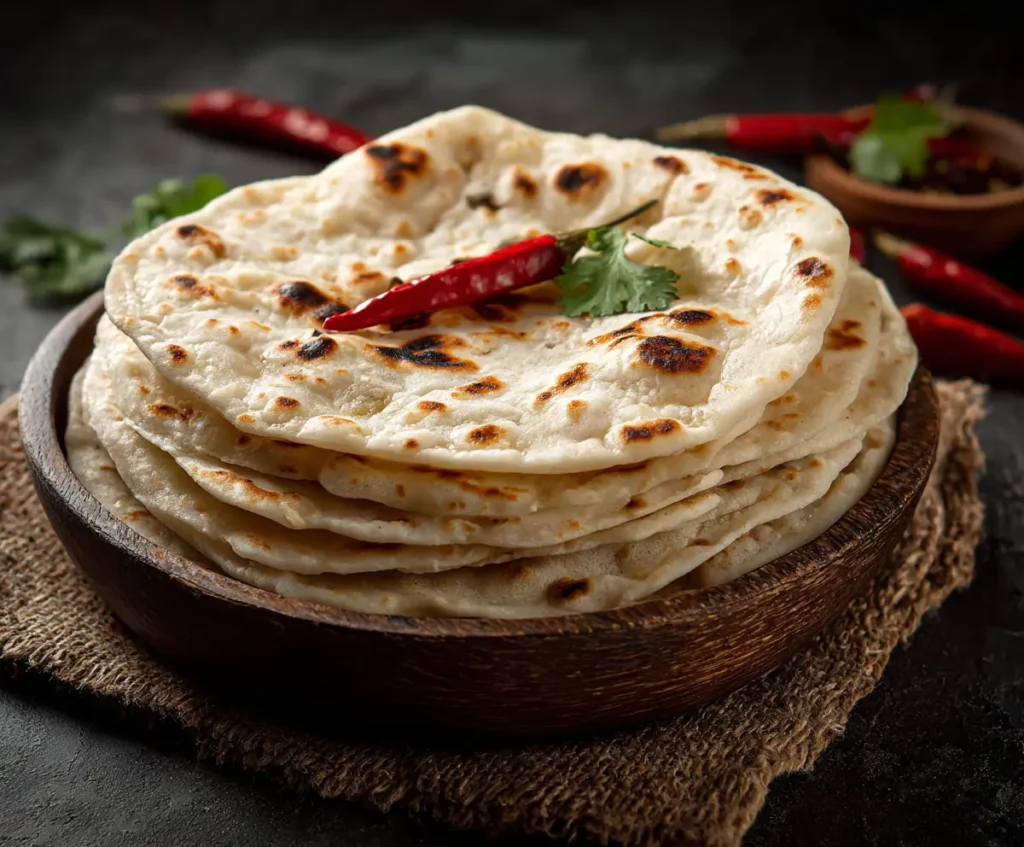
Chapati, also known as roti, is a classic unleavened flatbread enjoyed in South Asia and East Africa. This humble yet versatile bread is made with just a few simple ingredients—whole wheat flour, water, and a touch of oil—but it carries centuries of tradition.
Light, soft, and wholesome, chapatis are served daily with curries, vegetables, lentils, or even enjoyed plain with butter or honey. Whether you’re a beginner in the kitchen or an experienced cook, learning how to make chapati is a must-have skill for creating authentic homemade meals.
Ingredients (Makes 8 Chapatis)
- 2 cups whole wheat flour (atta flour preferred – 240 g)
- ½ tsp salt (optional)
- ¾ cup warm water (180 ml, adjust as needed)
- 1 tbsp oil or ghee (optional, for softness)
- Extra flour (for rolling)
Step by Step Cooking Guide
- Prepare the dough – In a large bowl, combine flour and salt. Slowly add warm water and mix until dough begins to form. Add oil or ghee for extra softness.
- Knead the dough – Transfer to a floured surface and knead for 8–10 minutes until smooth and elastic. Cover and let rest for 20–30 minutes.
- Divide the dough – Cut dough into 8 equal portions and roll each into a ball.
- Roll out chapatis – Lightly flour a rolling board. Roll each ball into a thin, round disc (6–8 inches wide). Keep them evenly rolled to ensure puffing.
- Cook on skillet – Heat a nonstick skillet or tawa over medium-high heat. Place chapati on the skillet. Cook for 30–40 seconds until bubbles form.
- Flip & cook – Flip and cook the second side for another 30–40 seconds. Press gently with a spatula or cloth to encourage puffing. Flip once more if needed.
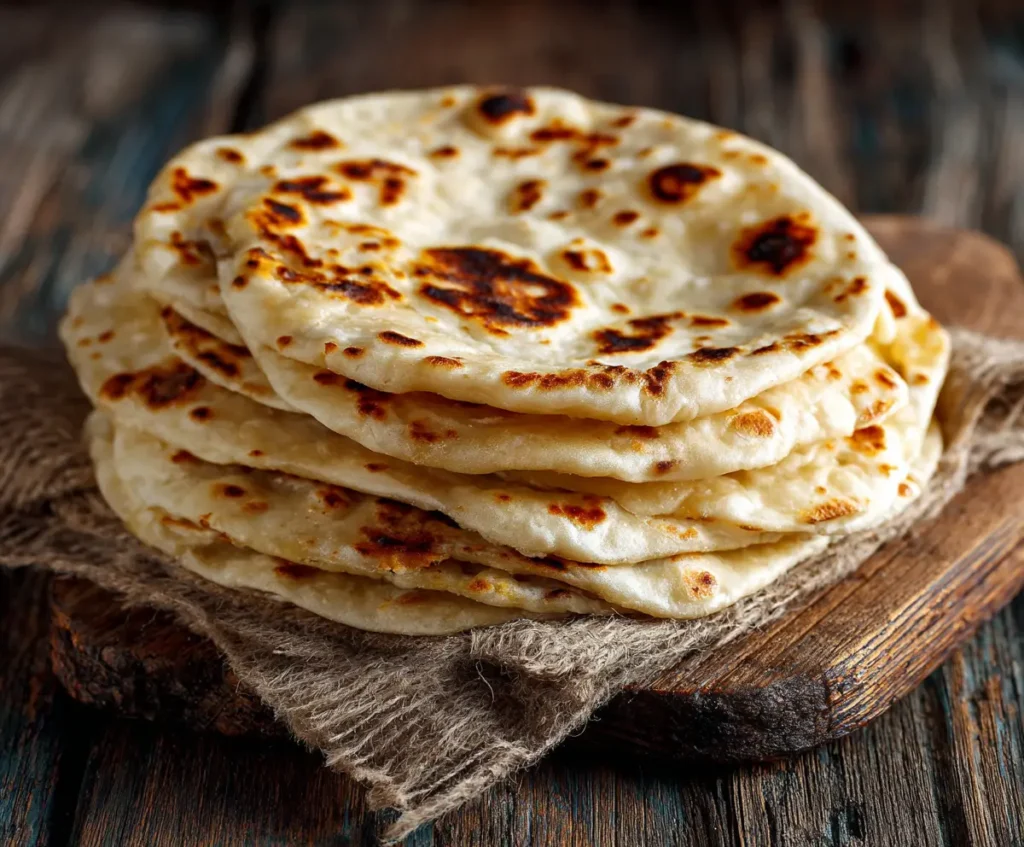
- Serve warm – Stack chapatis in a clean kitchen towel to keep them soft and warm.
Cooking Time & Serving Size
- Prep Time: 15 minutes
- Cook Time: 10 minutes
- Total Time: 25 minutes
- Serving Size: 8 chapatis
Tips & Variations
- Soft Chapatis: Resting the dough is key for softness. At least 20 minutes is recommended.
- Thinner vs. Thicker: For everyday meals, keep them thin. For wraps, roll them slightly thicker.
- Flavored Chapati: Add chopped herbs, garlic, or spices like cumin and chili flakes into the dough for a twist.
- Oil-Free Version: Skip oil/ghee for a lighter, traditional version.
- Storage Tip: Store cooked chapatis in an airtight container wrapped in a cloth to retain softness.
Nutrition Info (Per Chapati – Approximate)
| Nutrient | Amount |
|---|---|
| Calories | 100 kcal |
| Protein | 3 g |
| Carbohydrates | 20 g |
| Fat | 1.5 g |
| Fiber | 2.5 g |
| Sugar | 0 g |
Healthy Alternatives
- Gluten-Free Chapati: Replace whole wheat flour with gluten-free flour blends (add psyllium husk for binding).
- Low-Carb / Keto-Friendly: Use almond flour + coconut flour mix (texture will differ but works for wraps).
- Oil-Free: Skip oil or ghee for a leaner version—just flour and water.
- High-Protein: Mix in chickpea flour (besan) or soy flour to boost protein content.
Serving Suggestions
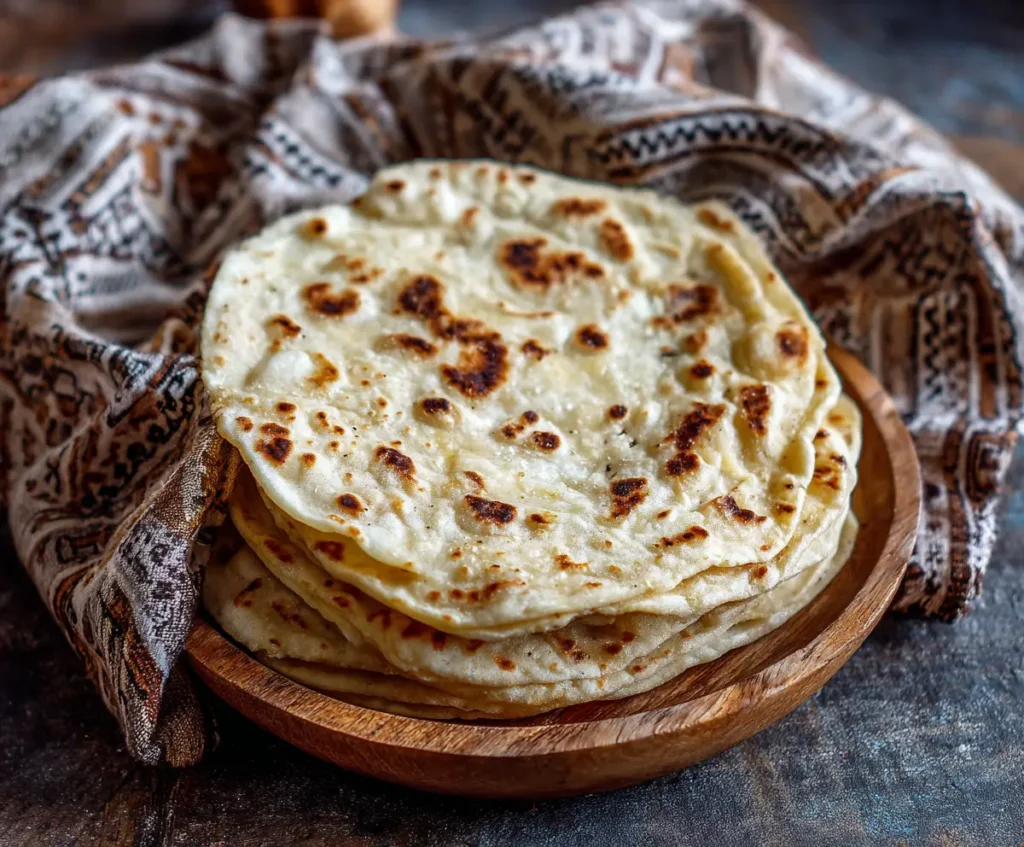
Chapati is best enjoyed fresh and warm. Serve it with:
- Vegetable curries like aloo gobi or bhindi masala.
- Protein-rich dals (lentils) for a balanced meal.
- Grilled meats or kebabs as a wrap.
- A simple side of butter, yogurt, or honey for a comforting snack.
This chapati recipe is quick, healthy, and pairs beautifully with almost any dish. Once you master the art of rolling and cooking, you’ll have soft, homemade chapatis on the table every day.
FAQ’s
Q1: Why don’t my chapatis puff up?
Usually, it’s due to uneven rolling or insufficient heat. Make sure the dough is smooth, and your skillet is properly hot.
Q2: Can I make chapati dough in advance?
Yes! Store dough in an airtight container in the fridge for up to 24 hours. Bring it to room temperature before rolling.
Q3: Can I freeze chapatis?
Yes. Cook chapatis halfway, stack with parchment paper, freeze, and finish cooking when needed.
Q4: Is chapati healthier than bread?
Yes, chapati is usually healthier since it’s made with whole wheat flour, contains more fiber, and has no preservatives compared to store-bought bread.
Q5: What’s the difference between chapati and roti?
Both are unleavened flatbreads, but in many regions, chapati refers to thinner, softer rotis cooked without oil.